Teaching & mentoring
Understand the idea. Test it in the world.
I want students to reach the point where a concept clicks: the mathematics becomes easier to use because they understand what it means.
Build from something familiar.
I try to remember what it felt like to encounter an idea before it made sense. I build lectures around three to five central ideas, return to them as the mathematics develops, and make room for questions. Slides and detailed written notes give students different ways to follow the discussion and revisit the material.
From intuition to mathematics
From familiar derivatives to optimal control
In MIT’s graduate astrodynamics course, I introduced the functional derivative by connecting it to multivariable derivatives students already knew. We worked through light refraction (Snell’s law) and navigation through a current (Zermelo’s problem) before applying the ideas to optimal spacecraft trajectories.
From measurement to investigation
Give students increasing responsibility.
I designed the DemoSat laboratory sequence to build independence. Early activities developed skills in sensing, calibration, and data collection. In the final communications lab, students chose a question, designed an investigation, and compared their measurements with a link-budget model, adapting their methods as they worked.
From the classroom to the field
Build and test a complete system.
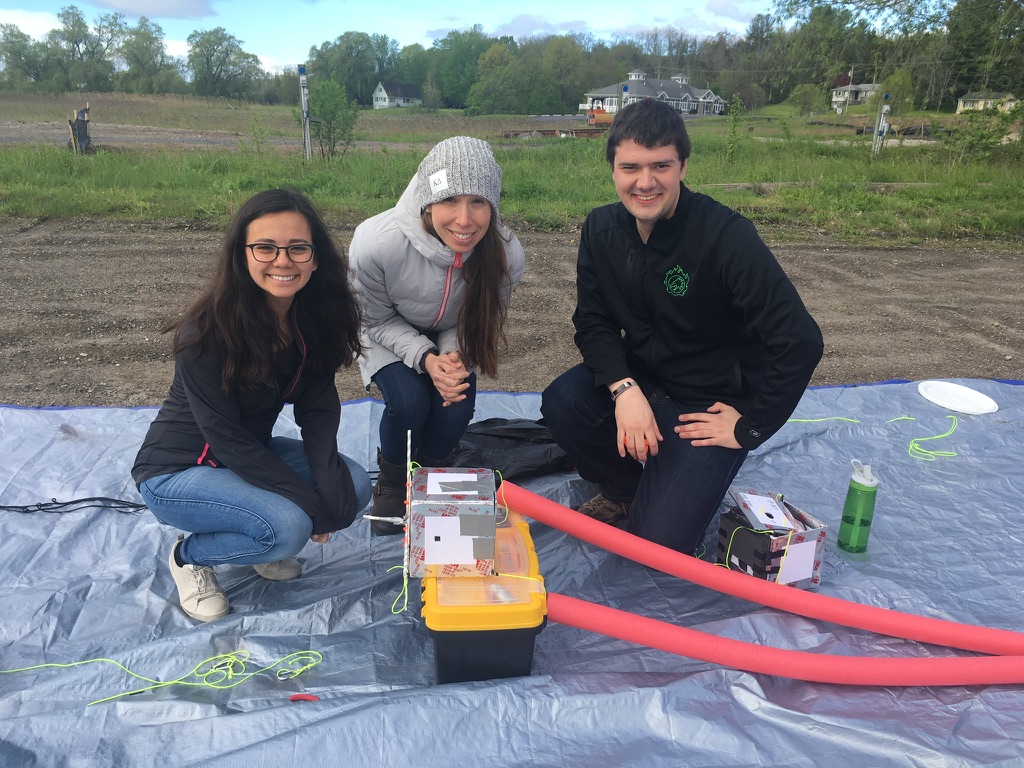
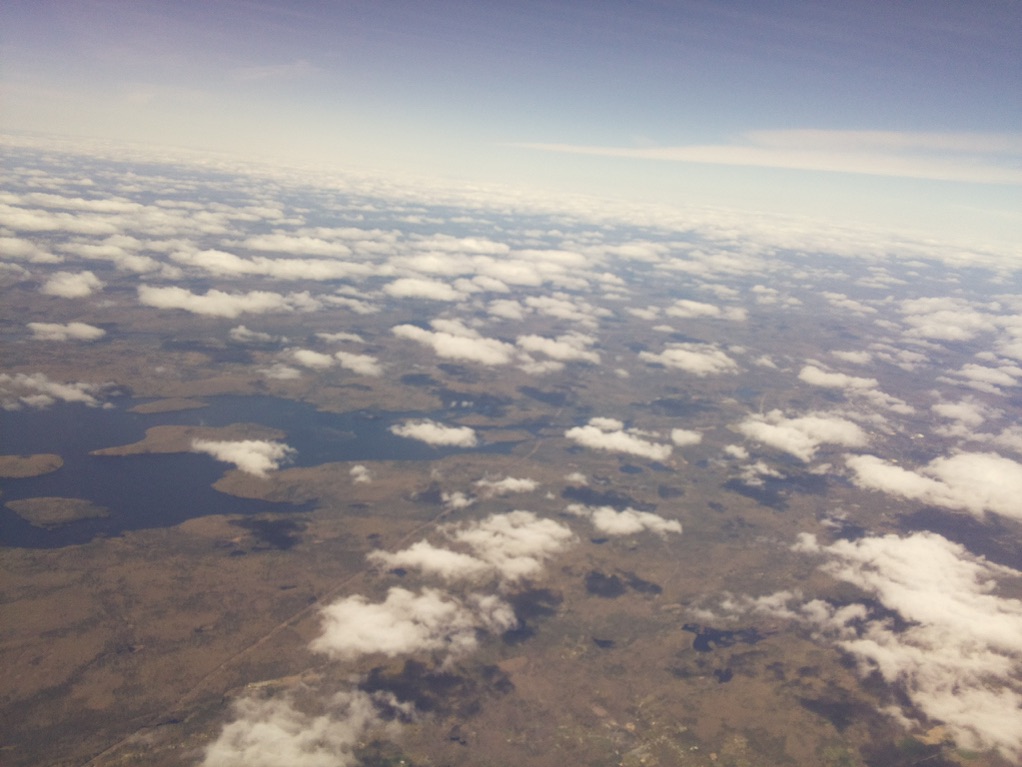
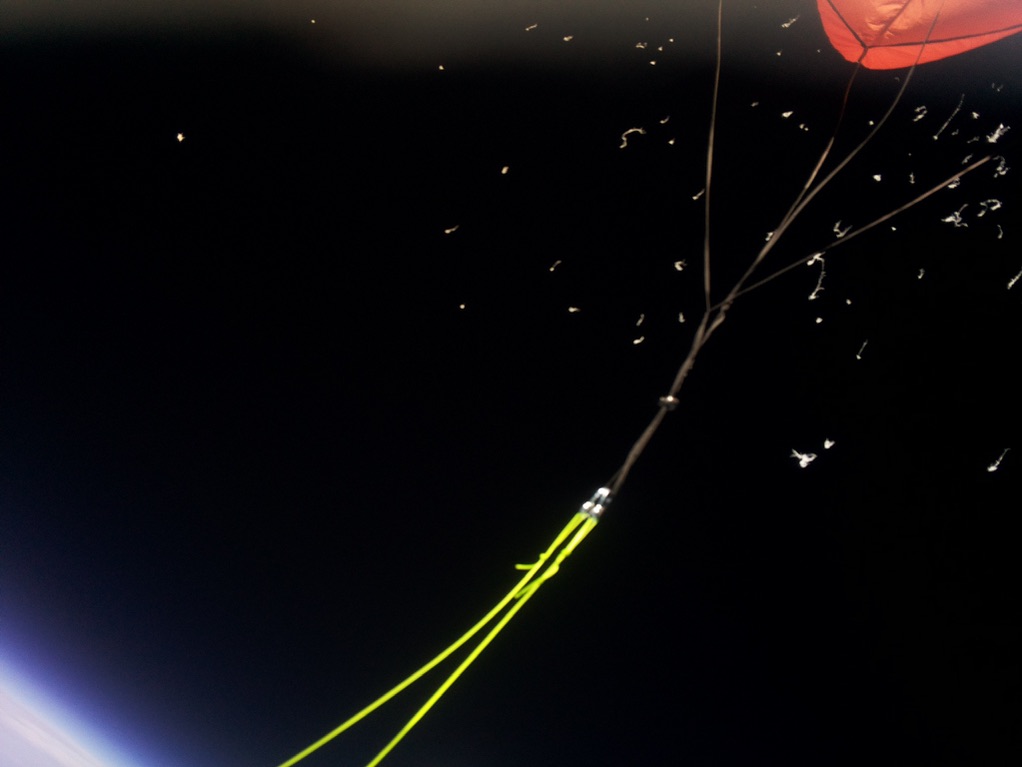
High-altitude balloons and rocketry give students a chance to see how their design decisions hold up in the field. Sensors, power, communications, and structures have to work together, and preparation and testing become part of the learning.
Courses & curriculum development
Dynamics · MIT 16.07
Guest lecturer and laboratory developer. Delivered a lecture on attitude representations and designed three laboratories on bifilar pendulums, double pendulums, and stick-slip friction, including hardware, supporting code, and procedures, for approximately 50 students.
Astrodynamics · MIT 16.346
Guest lecturer. Developed and delivered five lectures on Lagrange’s planetary equations, indirect optimal control, and periodic orbits and stability in the three-body problem for approximately 30 students.
Student evaluations: overall mean 6.6/7; median 7/7 on all four rated items.
Satellite Engineering · MIT 16.851
Teaching assistant and primary DemoSat lab designer. Designed laboratories on remote sensing, attitude control, power, thermal systems, and communications. Wrote the exercises and supporting code; guided and assessed the work of 33 students.
Space Systems Development · MIT 16.831
Teaching assistant and laboratory developer. Developed laboratories for approximately 30 BeaverCube capstone students and advised them on spacecraft and ADCS development. Continued advising student teams through 2022.
Space Systems Engineering · MIT 16.83
Teaching assistant and laboratory developer. Designed laboratory hardware, supporting code, and procedures as part of the teaching team for approximately 30 capstone students.
Help students take ownership.
I aim to meet students weekly and set goals together that fit their experience and the stage of the project. I want them to have room to question advice, make research decisions, and develop their own judgment about which questions are worth pursuing.
Mentoring also means helping students navigate academia: understanding peer review, preparing grant applications, and finding their place in a research community. These processes can feel unfamiliar, and I try to make them easier to understand and participate in.
My mentoring has included undergraduate and master’s projects in generalized ADCS, attitude planning, underactuated control, and BeaverCube flight software. This work has led to joint conference papers and contributions to the GenADCS and SALTRO packages.
Completed MIT’s Research Mentoring Certificate using the CIMER curriculum, June 2026.
Make room for people to build.
At MIT MakerWorkshop, I trained and mentored users in electronics and helped lead the makerspace community. I also mentored machine-shop users at MIT ProtoWorks.
In 2023, I organized and taught STAR Lab controls office hours and reading-group sessions, including Kalman filtering and spacecraft ADCS. These settings matter to me because they let people ask questions, try ideas, and develop confidence alongside technical skill.
More about making and rocketry →